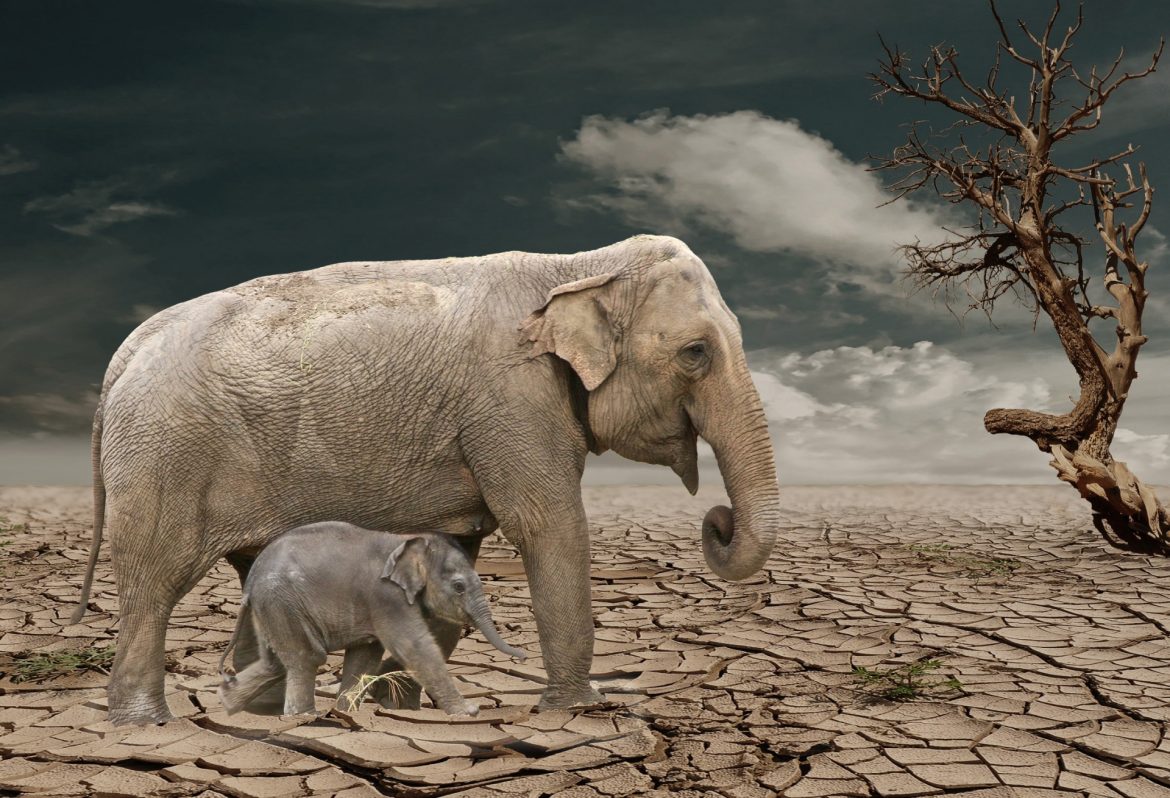
World Elephant Day 2025: The first World Elephant Day was observed on August 12, 2012, to highlight the plight of Asian and African elephants.
History Of World Elephant Day
The first World Elephant Day was observed on August 12, 2012, to highlight the plight of Asian and African elephants. Poaching, habitat loss, conflict with humans and being mistreated in captivity are just some of the threats to African and Asian elephants.
Thailand-based Elephant Reintroduction Foundation teamed up with Canadian filmmaker Patricia Sims to launch the day. Ever since then, Ms Sims has been leading World Elephant Day, which has turned into a movement.
“World Elephant Day is a rallying call for people to support organisations that are working to stop the illegal poaching and trade of elephant ivory and other wildlife products, protect wild elephant habitat, and provide sanctuaries and alternative habitats for domestic elephants to live freely,” said Ms Sims.
Here are five things to know about the largest land animals on our planet.
Tell them apart by their ears
There are three species of elephants: the African savanna or bush elephant, the African forest elephant and the Asian elephant. The African savanna elephant and the Asian elephant are listed as endangered by the International Union for Conservation of Nature. The forest elephant is critically endangered.
The easiest way to tell the difference among the species is the ears. African elephants have larger ears that are shaped, conveniently, like the African continent. African elephants also have two finger-like prehensile extensions at the tips of their trunks to grip things with, while Asian elephants have one.
Biggest of the big
The African savanna elephant is the biggest of the three species and the largest land animal on Earth. Adult males weigh around 5,000 to 6,000 kilograms, which is 11,000 to 13,000 pounds — or about six tons. Savanna elephants already weigh about 120 kilograms — 265 pounds — when they’re born, heavier than your average NFL player.
Trunks with thousands of muscles
There are around 150,000 muscles in an elephant’s trunk, making it an “incredible piece of equipment,” according to Sean Hensman, an elephant specialist at the Adventures with Elephants sanctuary in South Africa. Because their trunks have no bones, elephants can curl or twist them in all sorts of directions, and even make them shorter or longer. They use them to suck up water to blow into their mouths and to pick up food, or just about anything else they need to do.